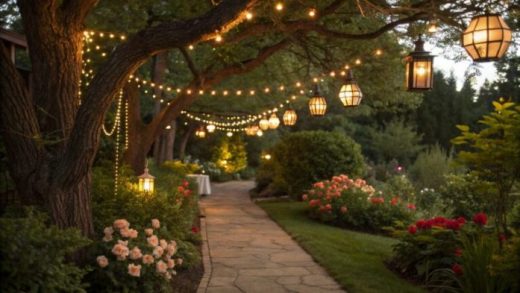

Selecting Plants for 3D Garden Design
Best plants for 3D garden design – Creating a visually striking 3D garden relies heavily on the selection of the right plants. The key to achieving a layered and dynamic garden layout is understanding the characteristics of plants that thrive in vertical and multi-level arrangements. This involves considering not just the plants’ heights but also their foliage textures, which can greatly influence the perception of depth in your design.
Key Characteristics of Plants, Best plants for 3D garden design
When selecting plants for a 3D garden design, it’s crucial to focus on specific attributes:
- Height: Varying heights among plants adds dimension. Taller plants can serve as focal points, while shorter ones can enhance the foreground.
- Foliage Texture: A mix of smooth, serrated, and feathery leaves can create visual interest. Textured foliage can catch light differently, adding layers to your design.
- Root Structure: Consider plants with varying root depths to ensure healthy growth and sustainability in layered arrangements.
Examples of plants that excel in multi-level arrangements include the majestic Delphinium, which adds vertical height, and the delicate Lady’s Mantle, which provides lush ground cover.
Color Schemes in 3D Garden Design
The color palette of your garden plays a pivotal role in enhancing its three-dimensional aspect. A well-thought-out combination of colors can create harmony and excitement throughout the space. Seasonal changes also contribute significantly to maintaining visual interest over time.
Choosing a Color Palette
Selecting colors that complement each other is essential. Here are key considerations:
- Contrast and Harmony: Using contrasting colors can highlight different areas of the garden, while harmonious colors bring a sense of peace.
- Seasonal Color Changes: Incorporating plants that bloom at different times ensures the garden looks vibrant throughout the year.
Plants Categorized by Flower Color and Foliage
Below is a table showcasing various plants based on their flower color and foliage for easy reference:
| Flower Color | Plant Name | Foliage Type |
|---|---|---|
| Red | Rudbeckia | Broad and rough |
| Blue | Salvia | Soft and smooth |
| Yellow | Coreopsis | Feathery and delicate |
Textures and Forms in Plant Choices
The variety of leaf shapes and sizes in your garden contributes significantly to the overall dynamics of the layout. Mixing different foliage types can enhance the garden’s visual appeal and create a lively atmosphere.
Leaf Shapes and Sizes
Integrating diverse leaf textures is key:
- Smooth Leaves: Plants like hostas offer a soft, polished look.
- Spiky Foliage: Incorporating plants like ornamental grasses adds a sharp contrast.
- Feathery Textures: Ferns can create a light and airy feel, softening harsher lines in the garden.
Seasonal Considerations for Plant Selection
A 3D garden needs careful planning to ensure year-round appeal. Selecting plants that bloom at various times helps maintain color and vitality, while incorporating evergreens provides structure through winter.
Year-round Appeal
To achieve a thriving garden throughout the seasons, consider these strategies:
- Blooming Seasons: Choose a mix of early, mid, and late bloomers for continuous color.
- Incorporating Evergreens: Evergreens like boxwoods can create a solid foundation and prevent a barren look during colder months.
Timeline for Plant Growth and Blooming
Creating a timeline chart for plant growth and blooming seasons can help in planning. For instance, tulips bloom in early spring, whereas chrysanthemums flourish in fall.
Incorporating Edibles in 3D Designs
A unique aspect of 3D garden design is the integration of edible plants without compromising aesthetics. Edible plants can enhance both the productivity and visual appeal of the garden.
Visually Pleasing Edibles
Combining ornamental and edible plants can create a beautiful yet functional space:
- Edible Flowers: Flowers like nasturtiums not only look stunning but are also delicious in salads.
- Herbs: Aromatic herbs like basil and rosemary can add texture and fragrance to the garden.
Practical Tips for Balancing
To effectively maintain a balance between ornamental and edible plants, consider the following tips:
- Group edible plants with decorative ones to create visually appealing beds.
- Utilize vertical space by training climbing plants like peas on trellises.
Maintenance and Care for 3D Gardens
Diverse plant selections in a three-dimensional garden require a thoughtful maintenance routine. Understanding the particular needs of each plant type is essential for a healthy garden.
Maintenance Needs
Consider these maintenance practices:
- Regular Pruning: Pruning helps maintain plant shape and encourages healthy growth.
- Watering Schedule: Different plants have varied watering needs; be consistent with your schedule.
Care Requirements Table
The following table Artikels care requirements for different plant groups in a 3D context:
| Plant Group | Watering Needs | Light Requirements |
|---|---|---|
| Succulents | Low | Full Sun |
| Ferns | Moderate | Partial Shade |
| Flowering Plants | High | Full Sun |
Utilizing Space Efficiently: Best Plants For 3D Garden Design
Maximizing limited garden space is crucial, and strategic plant placement is key to achieving this. Vertical gardening methods can help you make the most of every inch.
Maximizing Limited Space
Consider the following methods for effective space utilization:
- Vertical Gardening: Using vertical structures like trellises can create additional growing space and add height to the garden.
- Layering Plants: Plant taller species at the back and shorter ones in front to create an illusion of depth.
Setting Up a Vertical Garden
Here’s a step-by-step guide for establishing a vertical garden:
- Choose a suitable wall or fence for support.
- Select a mix of climbing plants, such as beans, and trailing plants like strawberries.
- Install a trellis or vertical planter system to support the plants.
- Regularly maintain the plants to encourage healthy growth.