
Current Trends in Outdoor Garden Design
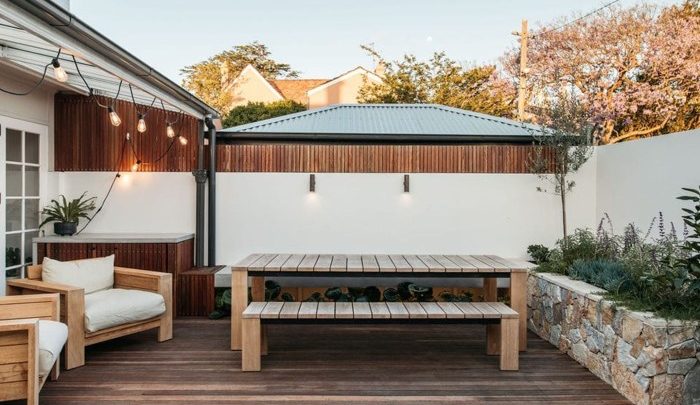
Popular outdoor garden design trends for 2026 – As we step into 2026, outdoor garden design continues to evolve, reflecting both aesthetic preferences and environmental considerations. This year, we are witnessing a surge in styles that prioritize sustainability while embracing modern aesthetics. Garden layouts are becoming more thoughtful, focusing on native plants and innovative materials that promote ecological balance.
Popular Garden Styles
The most prevalent garden styles emerging in 2026 include:
- Minimalist Gardens: Characterized by clean lines and a focus on fewer plant varieties, minimalism is appealing for its simplicity and elegance.
- Wildlife Gardens: These gardens are designed to attract local fauna, integrating native plants that provide food and habitat for birds and insects.
- Edible Landscapes: Combining aesthetics and functionality, many gardens now incorporate edible plants into their designs, promoting sustainable living.
Sustainability in Garden Layouts, Popular outdoor garden design trends for 2026
Sustainability plays a crucial role in garden design in 2026. Designers are increasingly selecting drought-resistant plants and organic materials, which reduce the need for chemical fertilizers and pesticides. For example, the use of reclaimed wood for garden paths and structures is gaining popularity due to its environmental benefits and unique aesthetic.
Innovative Materials
Several innovative materials are being employed in modern garden design:
- Recycled Materials: Utilizing recycled plastics and metals for garden furniture and decor.
- Permeable Paving: This material allows water to drain through, reducing runoff and promoting healthier soil.
- Biodegradable Pots: Made from natural materials, these pots decompose over time, enriching the soil.
Use of Technology in Garden Design
Technology is revolutionizing outdoor spaces, making them more functional and easier to manage. In 2026, smart technology is integrated into garden design, enabling homeowners to create efficient and aesthetically pleasing environments.
Smart Technology Integration
The integration of smart technology into outdoor spaces facilitates advanced garden management. Systems such as automated irrigation and soil moisture sensors help maintain optimal growing conditions. Homeowners can also control lighting, water features, and even garden sounds from their smartphones.
Garden Management Apps
Numerous garden management apps are available to assist gardeners in maintaining their green spaces. These tools allow users to:
- Track plant growth and care schedules.
- Receive reminders for watering and fertilizing.
- Identify plants and pests with image recognition features.
Impact of Lighting Technologies
Lighting technology has a significant impact on outdoor aesthetics, enhancing the beauty and functionality of gardens. LED lighting, for example, is energy-efficient and can be used to highlight paths, water features, and plant displays, creating a magical nighttime ambiance.
Plant Choices for 2026: Popular Outdoor Garden Design Trends For 2026
In 2026, plant choices reflect a blend of aesthetic appeal and environmental awareness. Garden enthusiasts are gravitating towards species that thrive in various conditions while being easy to maintain.
Trending Plant Species
The top plant species trending this year include:
- Sedums: Low-maintenance succulents that are perfect for drought-prone gardens.
- Lavender: Known for its fragrance and ability to attract pollinators.
- Native Grasses: These provide texture and movement while supporting local ecosystems.
Native vs. Exotic Plants
When considering plant options, native plants are favored for their adaptability and low maintenance requirements. In contrast, exotic plants can add unique aesthetics but may require more care and resources. The trend is clearly leaning towards a mix that balances beauty with sustainability.
Drought-Resistant Plants
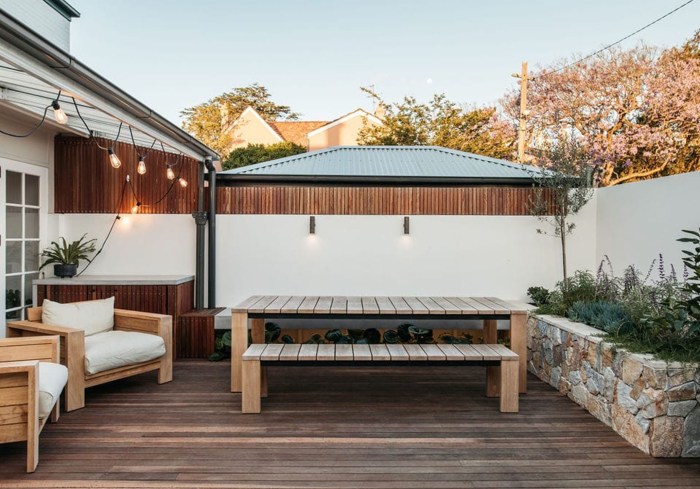
Drought-resistant plants are gaining popularity in garden designs, particularly in areas facing water shortages. A list of some favorites includes:
- Agave
- Russian Sage
- Ornamental Grasses
Outdoor Living Spaces
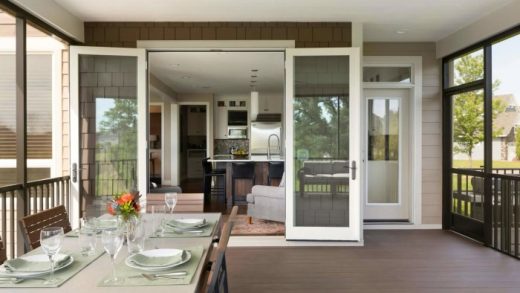
Designing multifunctional outdoor areas has become essential in maximizing the use of available space in gardens. In 2026, outdoor living spaces are more than just gardens; they are extensions of our homes.
Blueprint for Multifunctional Areas
Creating a blueprint for multifunctional outdoor areas involves:
- Designing distinct zones for relaxation, dining, and gardening.
- Incorporating comfortable seating arrangements.
- Ensuring ample lighting for evening gatherings.
Integration of Kitchens and Dining
Outdoor kitchens and dining areas are becoming staples in garden designs. Features like built-in grills, pizza ovens, and weather-resistant dining furniture enhance the outdoor dining experience and encourage social gatherings.
Maximizing Small Spaces
For smaller garden environments, clever design strategies can maximize space. Vertical gardens, multi-purpose furniture, and strategic plant placement can create the illusion of a larger area while providing ample functionality.
Color Trends in Gardening
Color plays a vital role in garden design, influencing mood and aesthetics. In 2026, specific palettes dominate the scene, offering a fresh take on outdoor spaces.
Dominant Color Palettes
The color palettes that are trending this year include:
- Soft Pastels: Creating calming and serene environments.
- Vibrant Contrasts: Bold colors that draw attention and energize the space.
- Earthy Tones: Reflecting natural elements and promoting harmony with the environment.
Using Color to Enhance Aesthetics
Color can be effectively used to enhance garden aesthetics by:
- Creating focal points with brightly colored flowers.
- Using color to guide the eye through the garden.
- Incorporating complementary colors for visual interest.
Complementary Colors Table
Here’s a table of complementary colors suitable for various plants:
| Plant Type | Color Palette |
|---|---|
| Roses | Soft Pink and Deep Green |
| Sunflowers | Bright Yellow and Blue |
| Hostas | Variegated Leaf Colors with White Flowers |
Eco-Friendly Practices
As environmental awareness grows, eco-friendly landscaping practices are becoming highly sought after. In 2026, these practices are at the forefront of garden design.
Trending Eco-Friendly Practices
Popular eco-friendly practices in gardening include:
- Organic gardening methods that avoid synthetic pesticides and fertilizers.
- Permaculture principles that promote biodiversity and soil health.
- Utilizing rain gardens for natural water management.
Water Conservation Techniques
Water conservation techniques are essential for sustainable garden maintenance. Common methods include:
- Drip irrigation systems that deliver water directly to the plant roots.
- Mulching to retain moisture in the soil.
- Utilizing rain barrels to collect and store rainwater for garden use.
Incorporating Composting
Composting is an effective way to enhance soil quality while reducing waste. In 2026, gardens are increasingly incorporating compost bins, allowing gardeners to recycle kitchen scraps and yard waste into nutrient-rich soil amendments.
Outdoor Furniture and Decor
Outdoor furniture and decor are crucial in establishing inviting and functional outdoor spaces. In 2026, specific trends are shaping how we furnish our gardens.
Trending Outdoor Furniture
The types of outdoor furniture gaining popularity this year include:
- Modular seating that can be rearranged for various occasions.
- Weather-resistant materials that withstand the elements.
- Multi-functional pieces like storage benches.
Decorative Elements
Decorative elements that enhance outdoor spaces encompass:
- Artistic planters and sculptures that add personality.
- Whimsical garden lights that create enchanting atmospheres.
- Textiles such as cushions and throws for comfort and style.
Sustainable Materials for Furniture
When choosing outdoor furnishings, sustainability is key. Here are some materials that are trending this year:
- Bamboo: Renewable and durable, ideal for outdoor settings.
- Recycled aluminum: Lightweight and resistant to rust.
- Reclaimed wood: Offers rustic charm while promoting recycling efforts.
Seasonal Adaptations in Garden Design
Adapting garden designs to seasonal changes is essential for year-round enjoyment. In 2026, gardens are designed to thrive throughout the different seasons.
Designing Seasonal Gardens
Gardens that adapt to seasonal changes incorporate plants that bloom at various times, ensuring year-round color and interest. Strategies include:
- Planting early-blooming bulbs in the fall for spring color.
- Incorporating evergreens for winter structure.
- Rotating annuals for continuous color throughout the summer.
Planting and Maintenance Schedule
A planting and maintenance schedule can ensure gardens remain vibrant and healthy year-round. Essential tasks include:
- Spring: Assess winter damage and plant new annuals.
- Summer: Regular watering and deadheading blooms.
- Fall: Prepare for winter by mulching and planting bulbs.
Seasonal Plant Arrangements
Seasonal plant arrangements that thrive in 2026 include combinations that reflect seasonal themes. For instance:
- Spring: Tulips and daffodils.
- Summer: Zinnias and sunflowers.
- Fall: Mums and ornamental kale.