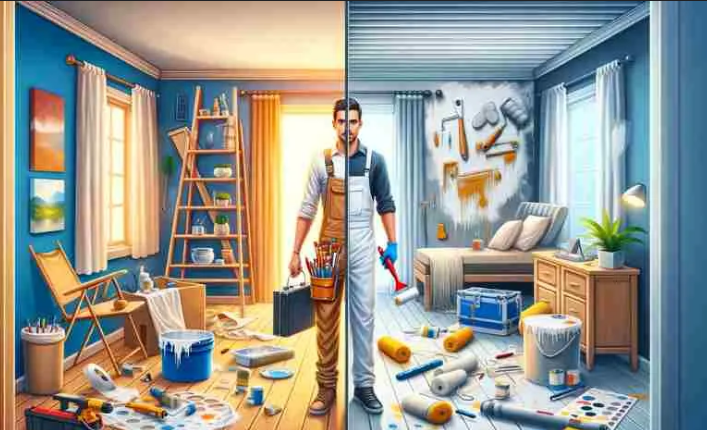
Introduction to Home Design
Designing your home is an exciting opportunity to create a space that reflects your personality, lifestyle, and preferences. Whether you’re starting from scratch or looking to update your current space, the right design ideas can transform any room into a comfortable, functional, and visually appealing environment. From cozy living rooms to stylish kitchens, we’ve compiled a list of top home design ideas to help inspire your next project.
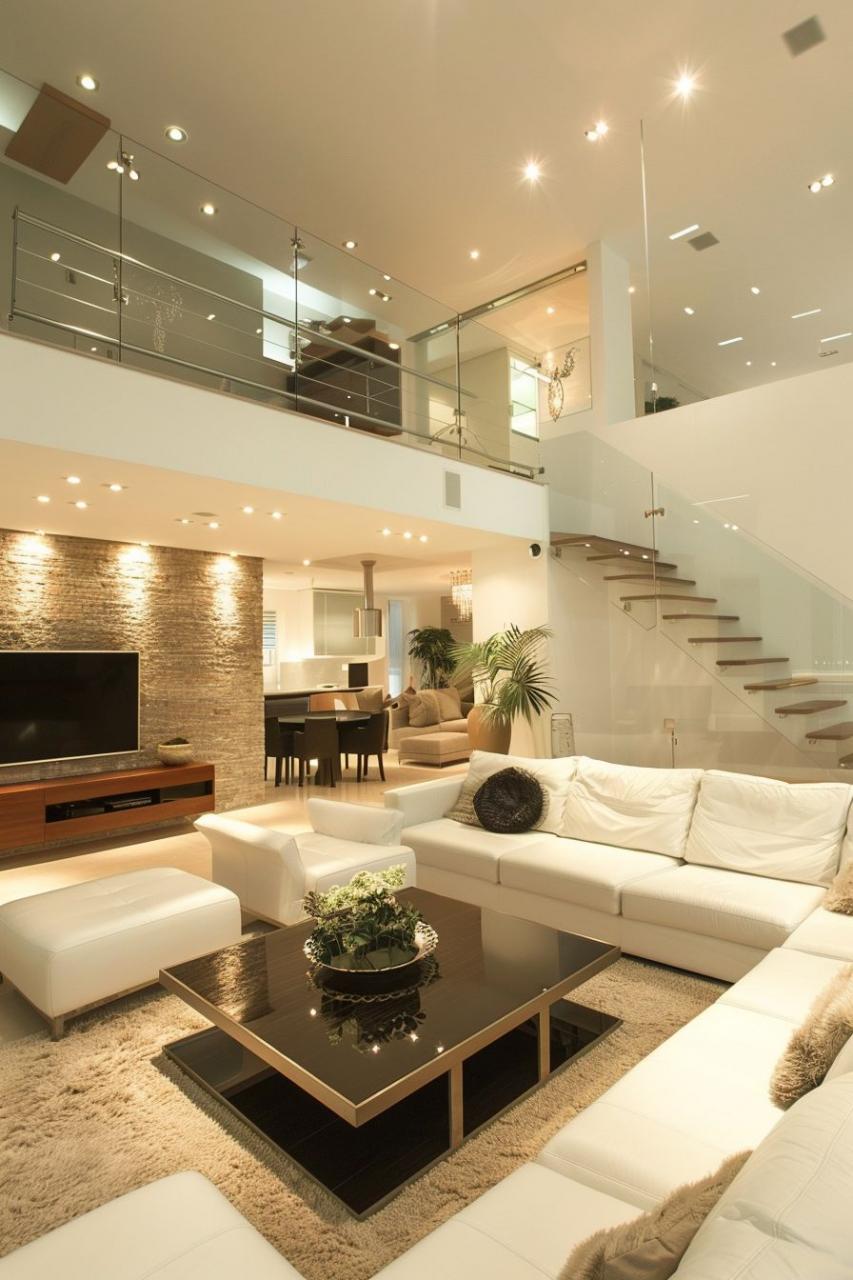
1. Minimalist Design: Simple, Clean, and Modern
Minimalism continues to be a popular home design trend. It emphasizes simplicity and functionality, stripping away excess clutter and focusing on clean lines and neutral colors. A minimalist design creates a calming and open environment. Key elements of minimalist design include:
- Neutral color palette: Whites, grays, and beige tones dominate the space, creating a serene atmosphere.
- Functional furniture: Pieces that are both practical and aesthetically pleasing.
- Decluttered spaces: Keep only essential items and avoid overdecorating.
Consider using multifunctional furniture, like a sofa with hidden storage or a dining table that doubles as a workspace. This design concept works well in small apartments or urban homes.
2. Open Concept Living: More Space, Better Flow
Open concept living spaces continue to be a favorite for modern homeowners. This design idea involves removing walls and barriers between key rooms like the kitchen, dining area, and living room. The result is a spacious and airy environment that feels larger and more inviting. Key features of open concept living include:
- Flowing layouts: A continuous flow between spaces allows for easy movement and interaction.
- Natural light: Large windows or open spaces allow light to flood the interior, making the space feel bright and welcoming.
- Coherent color schemes: Use complementary colors and decor that work together seamlessly between rooms.
One popular trend in open concept spaces is the inclusion of a large kitchen island, which can serve as a gathering spot for family and friends while providing additional storage and workspace.
3. Sustainable and Eco-Friendly Design
As sustainability becomes more important, many homeowners are focusing on eco-friendly home design ideas. These designs incorporate energy-efficient features, sustainable materials, and systems that minimize environmental impact. Some key elements include:
- Energy-efficient appliances: Choose appliances that use less energy, like LED lighting, energy-efficient refrigerators, and smart thermostats.
- Natural materials: Use reclaimed wood, bamboo flooring, and stone for a more eco-conscious design.
- Solar panels and green roofs: Incorporate renewable energy sources into your home to reduce energy consumption and lower utility bills.
Eco-friendly designs are not only good for the planet, but they also help create a healthier living environment with better indoor air quality and lower carbon footprints.
4. Smart Home Features: Integrating Technology
Smart home technology is a game-changer when it comes to home design. By incorporating smart devices, you can automate various aspects of your home for enhanced convenience, security, and efficiency. Here are some popular smart home features to consider:
- Smart lighting: Control the lighting in your home remotely through your smartphone or voice assistant.
- Smart thermostats: Adjust your home’s temperature to save energy and create a comfortable atmosphere without wasting resources.
- Voice-controlled assistants: Integrate voice-controlled devices like Amazon Alexa or Google Assistant to manage your home’s devices and systems.
These smart technologies not only add a futuristic touch to your home but also make it easier to manage daily tasks, control energy usage, and keep your home secure.
5. Bold Color Schemes: Make a Statement
While neutral tones are timeless, bold color schemes can add character and personality to your home. From vibrant accent walls to colorful furniture and accessories, this design approach allows you to express your style. Some tips for incorporating bold colors into your home include:
- Accent walls: Choose a bold color for one wall in a room, such as deep navy blue or emerald green, to create a focal point.
- Colorful furniture: Bright sofas, chairs, and rugs can add a pop of color to your space.
- Complementary color combinations: Pair contrasting colors like orange and blue, or yellow and purple, to create an eye-catching aesthetic.
When using bold colors, it’s important to balance them with neutral tones to avoid overwhelming the space. Use bold colors as accents or focal points to create a stylish, dynamic look.
6. Personalized Spaces: Making Your Home Your Own
Personalized home design is all about making your space truly yours. Incorporating personal touches and items that reflect your interests and experiences adds warmth and authenticity to your home. Here are some ways to make your home feel uniquely yours:
- Art and photography: Display artwork, family photos, or travel souvenirs to add character and personality to your space.
- Custom furniture: Invest in custom-made furniture or decor pieces that suit your style and needs.
- DIY projects: Personalize your space with DIY home decor projects, such as painted furniture, handmade pillows, or upcycled materials.
Personalized spaces reflect who you are and can make your home feel more inviting and comfortable.
Conclusion
Home design is an exciting and rewarding process that allows you to express your personality, create functional spaces, and enhance the overall ambiance of your living environment. Whether you’re drawn to minimalist designs, smart technology, or bold color schemes, there are endless possibilities for making your home uniquely yours. By incorporating thoughtful design ideas, you can transform your space into a haven that’s both beautiful and functional.