
Basic Principles of Outdoor Garden Design
How to design a beautiful outdoor garden – Designing an outdoor garden involves more than just planting flowers and plants; it’s about creating a balanced, harmonious space that resonates with the environment. Understanding the fundamental principles of garden design, such as balance, proportion, and rhythm, can significantly elevate the aesthetics of your outdoor space.
Fundamental Principles
The key principles that guide outdoor garden design include:
- Balance: Achieving visual equilibrium in your garden can be done through symmetrical or asymmetrical arrangements of plants and features.
- Proportion: Ensuring that elements in the garden are sized appropriately to one another creates a sense of harmony.
- Rhythm: This involves the repetition of certain elements to create a flow and movement throughout the garden.
Identifying a focal point in your garden is crucial as it captures attention and draws visitors into the space. Common mistakes to avoid include overcrowding plants, neglecting the garden’s scale, and ignoring the surrounding environment.
Selecting the Right Plants
Choosing the right plants is vital for a flourishing garden. It requires knowledge of climate, soil type, and aesthetic preferences. Different plants thrive in various conditions, making it essential to select wisely.
Comprehensive Plant Selection
When selecting plants, consider the following aspects:
- Climate Compatibility: Choose plants that are well-suited for your local climate zones, such as drought-resistant varieties in arid areas.
- Soil Type: Understand your soil’s composition; some plants prefer sandy soil while others thrive in clay.
- Color Schemes: Use color theory to create a vibrant palette that changes with the seasons.
Combining perennials, annuals, and shrubs can enhance the diversity in your garden, ensuring blooms and foliage throughout the year.
Layout and Structure
A well-planned layout is essential for functionality and visual appeal in your outdoor garden. It influences how visitors move through the space and enjoy its elements.
Designing a Garden Layout
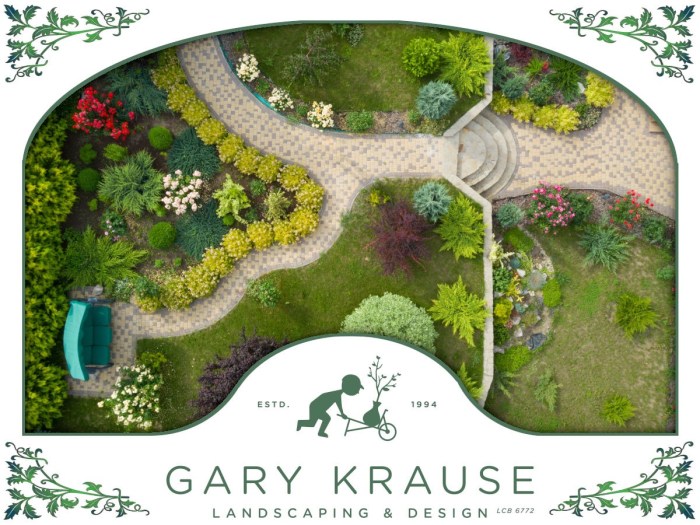
Creating a layout plan involves considering pathways, seating areas, and plant beds. The following garden styles can be implemented based on your personal aesthetic:
- Formal: Characterized by symmetrical designs and geometric shapes.
- Cottage: A more relaxed style with a mix of plants and informal arrangements.
- Contemporary: Focuses on clean lines and minimalism.
Here is a table showcasing different layout designs and their features:
| Layout Design | Features |
|---|---|
| Formal | Symmetrical paths, defined edges, and geometric plant beds. |
| Cottage | Wildflower plantings, informal seating, and winding pathways. |
| Contemporary | Open spaces, few plants, and a focus on outdoor living. |
Incorporating Water Features
Water features can dramatically enhance the tranquility and beauty of an outdoor garden. They provide a sensory experience while attracting wildlife.
Benefits of Water Features
Adding water elements such as ponds, fountains, or waterfalls can create a serene atmosphere. To create a small water feature, follow these simple steps:
- Choose a suitable location that receives adequate sunlight.
- Decide on the type of water feature (pond, fountain, or waterfall).
- Install necessary equipment for water circulation and filtration.
Plants that thrive around water bodies include:
- Water lilies
- Lotus flowers
- Rushes and sedges
Hardscaping Elements
Hardscaping plays a crucial role in garden design, providing structure and functionality. It includes elements like patios, walkways, and retaining walls.
Importance of Hardscaping
Incorporating hardscaping can enhance the usability of a garden. Consider using materials such as:
- Natural stone for walkways
- Brick or pavers for patios
- Wood or concrete for retaining walls
Integrating hardscaping with landscaping creates a cohesive look that harmonizes with the natural environment.
Outdoor Lighting Techniques
Outdoor lighting is essential for enhancing the aesthetics and safety of your garden space, allowing it to be enjoyed even after dark.
Using Outdoor Lighting
Various lighting options can be utilized, including:
- Solar lights for energy efficiency
- LED fixtures for brightness and longevity
- String lights for a whimsical touch
Strategically placing lights can maximize their impact and functionality, illuminating pathways and highlighting focal points effectively.
Seasonal Gardening Tips
Maintaining a garden throughout the seasons is vital for its health and beauty. Understanding seasonal changes allows for better planning and care.
Seasonal Maintenance Strategies
Implementing a seasonal checklist can help keep your garden in shape:
- Spring: Planting new flowers and pruning.
- Summer: Regular watering and weeding.
- Fall: Preparing the garden for winter and applying mulch.
Identifying plants suited for specific seasons ensures your garden remains vibrant year-round.
Sustainable Gardening Practices
Sustainability in garden design is increasingly important, promoting environmental well-being while maintaining beauty and functionality.
Implementing Sustainable Practices, How to design a beautiful outdoor garden
Creating a compost system enriches garden soil and reduces waste. Consider the following methods for water conservation:
- Installing rain gardens to manage runoff.
- Utilizing drip irrigation systems for efficient watering.
These practices support a healthy ecosystem while enhancing garden growth.
Garden Furniture and Accessories: How To Design A Beautiful Outdoor Garden
Outdoor furniture and accessories play a significant role in creating inviting spaces for relaxation and enjoyment in your garden.
Selecting Garden Furniture
Essential furniture pieces include:
- Comfortable seating areas for gathering.
- Dining sets for alfresco meals.
- Shade structures like pergolas or umbrellas.
When selecting materials, prioritize weather-resistant options to ensure longevity. Decorating your garden with sculptures, planters, and functional items can also add personal touches.
Engaging with Nature
Creating spaces that engage with nature enhances the overall experience of gardening, encouraging interaction with wildlife and sensory stimuli.
Designing Wildlife and Sensory Spaces
Incorporating elements for wildlife, like birdhouses or bee hotels, promotes biodiversity in your garden. Designing sensory gardens that appeal to all five senses can include:
- Fragrant plants for smell
- Tactile materials for touch
- Colorful flowers for sight
Quiet areas for relaxation and reflection can be achieved with strategically placed benches or hammocks, fostering a peaceful retreat in your outdoor space.