
Designing a Garden with Limited Space Ideas
Designing a garden with limited space ideas – Creating a garden in a small area can be a rewarding challenge. With some innovative ideas and thoughtful planning, you can turn even the tiniest plot into a lush, vibrant space. This article provides various strategies and concepts to help you maximize your limited garden space, ensuring that it remains functional and visually appealing.
Innovative Design Concepts
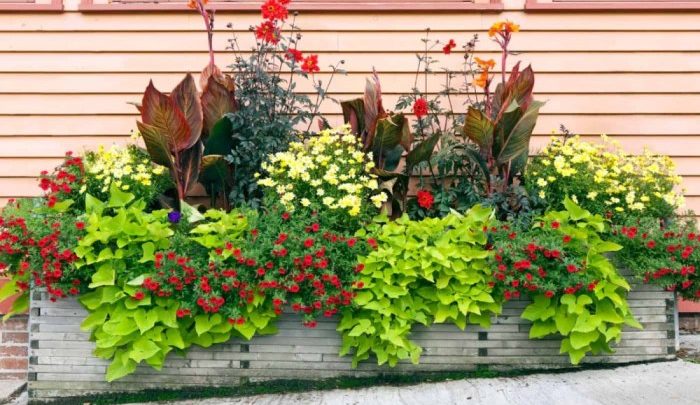
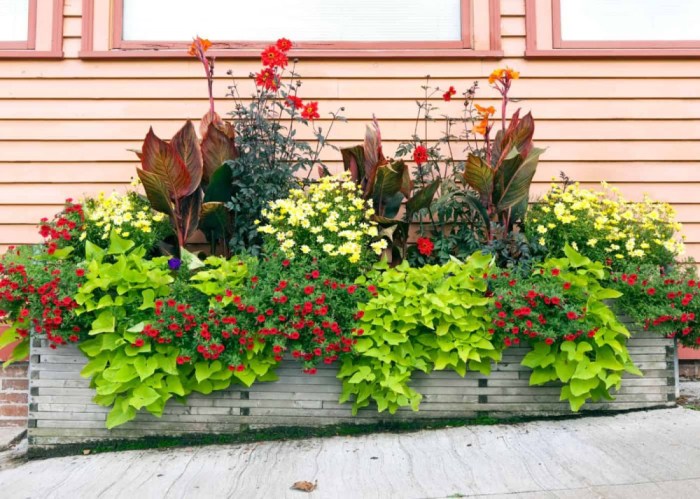
Utilizing vertical gardening is a brilliant way to make the most of limited space. By growing plants upwards rather than outwards, you can add greenery without consuming ground area. Consider installing wall planters or a trellis system that allows climbing plants to flourish. Container gardens are another excellent option for small areas, as they can be moved around and tailored to fit any space.
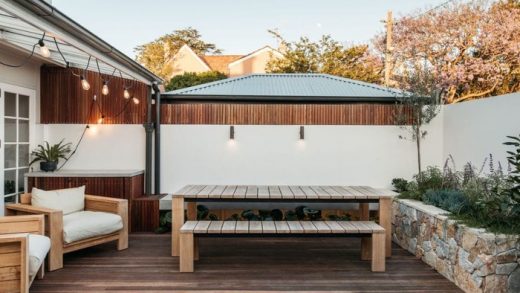
They come in various sizes and materials, enabling you to create a unique aesthetic while maximizing your planting area.Incorporating built-in furniture, such as benches and tables, not only enhances the functionality of your garden but also integrates seamlessly into the design. For instance, a bench can double as a raised planting bed, providing seating while still allowing for gardening opportunities.
Plant Selection Strategies
Choosing the right plants is crucial for a compact garden. Opt for varieties that thrive in smaller spaces, focusing on their height and spread. For example, dwarf fruit trees or compact herb varieties can deliver maximum yield without overwhelming the area. Additionally, consider native plants, which are less demanding in terms of water and maintenance.To illustrate your options, here is a comparison table of fast-growing versus slow-growing plants that are suitable for small gardens:
| Plant Type | Growth Rate | Ideal Space Requirements |
|---|---|---|
| Cherry Tomatoes | Fast | 2-3 feet |
| Lavender | Slow | 2-3 feet |
| Radishes | Fast | 12 inches |
| Peonies | Slow | 3 feet |
Layout and Spatial Planning
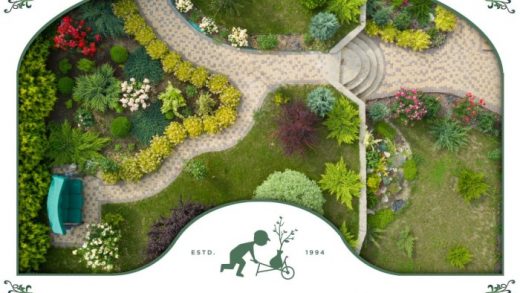
Creating pathways in a small garden is essential for enhancing movement and accessibility. Use materials like gravel or stepping stones to define your path, ensuring it leads visitors through different sections of your garden. Additionally, consider the principle of layering plants to add depth. Taller plants should be placed at the back with shorter ones in front, creating a visually appealing sightline.Here’s a layout that demonstrates various garden zones:
| Zone | Description |
|---|---|
| Seating Area | A cozy spot for relaxation, ideally shaded by taller plants or structures. |
| Planting Area | Dedicated space for herbs and vegetables, designed for easy access. |
Maximizing Functionality
To increase the utility of your garden, consider multifunctional elements. A trellis can be used for climbing plants, which also provides shade and visual interest. Incorporating storage solutions, such as benches with hidden compartments, ensures that tools and supplies are easily accessible yet neatly tucked away.Creating a small herb garden can serve culinary needs effectively. Opt for a variety of herbs that complement each other, using containers or vertical planters to keep them organized and within reach.
Seasonal Considerations, Designing a garden with limited space ideas
Selecting plants based on seasonal changes is vital for maintaining a vibrant garden year-round. Some plants flourish in the summer but may not withstand winter, while others remain resilient through colder months. To prepare your garden for the changing seasons, implement techniques such as mulching in winter and strategic planting schedules for spring and summer blooms.To help manage seasonal tasks efficiently, consider this list:
- Mulch the garden bed in late fall to protect roots during winter.
- Prune perennials in early spring to encourage new growth.
- Plant seasonal herbs like basil and cilantro in spring.
- Check for pests and diseases regularly during warm months.
Sustainability in Small Gardens
Implementing rainwater harvesting systems is an effective way to conserve water in a limited garden space. Simple rain barrels can capture runoff from roofs, providing an eco-friendly irrigation option. Composting is another sustainable practice, and starting a compact compost bin is easier than you might think. Even in small spaces, you can recycle kitchen scraps and yard waste to enrich your soil.Using recycled materials for garden features can also enhance sustainability.
Items like old pallets can be transformed into vertical planters or garden furniture, adding both charm and utility while reducing waste.
Outdoor Aesthetics and Decor
Incorporating decorative elements into your small garden can create a sense of style and personality. Consider sculptures or wind chimes as focal points that draw the eye and elevate the overall aesthetic. The colors and textures of your chosen plants will also play a significant role in how spacious the garden feels. Lighter colors can make the garden appear larger, while a mix of textures adds visual interest.Here are some garden decor tips that harmonize well with small space designs:
- Use mirrors to create the illusion of depth and space.
- Opt for vertical garden art that complements plant life.
- Incorporate soft lighting, such as string lights, to enhance evening ambiance.