
Understanding the Concept of Blending Indoor and Outdoor Spaces: How To Blend Indoor And Outdoor Spaces Together
How to blend indoor and outdoor spaces together – Creating a seamless transition between indoor and outdoor areas is essential for enhancing the overall living experience. This concept not only optimizes space but also fosters a deeper connection with nature, improving well-being and promoting a relaxed lifestyle. Blending these areas can enrich our daily routines by offering a harmonious environment that feels expansive and inviting.The psychological benefits of integrating indoor and outdoor spaces are profound.
Research indicates that exposure to natural light and greenery can significantly reduce stress levels and increase happiness. Aesthetic benefits also play a crucial role; a well-designed indoor-outdoor space can enhance the beauty of a home, making it a more enjoyable place to live. Key elements that contribute to this cohesive experience include flow, continuity in design, and the use of similar materials and color palettes that link the two environments effectively.
Design Principles for Blending Spaces
A successful blend of indoor and outdoor spaces relies on a few fundamental design principles. These principles help create a seamless experience that feels intentional and curated rather than disjointed and haphazard.
- Visual continuity is paramount; ensuring that colors, textures, and patterns transition smoothly between spaces can establish a sense of unity.
- Using similar materials for flooring or furnishings can also enhance this connection. For example, extending hardwood flooring from the inside to a covered patio can create a natural flow.
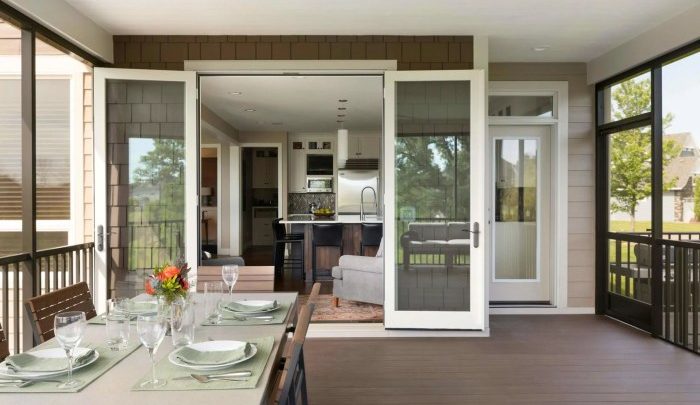
- Consider incorporating large windows or glass doors that allow natural light to permeate the indoor spaces while providing unobstructed views of the outdoors.
Successful indoor-outdoor design projects often showcase these principles. For instance, a beach house that uses sliding glass doors to open up the living room to a deck creates a perfect blend. The use of matching furnishings in both areas, along with a consistent color scheme, can enhance the overall aesthetic.
Choosing the Right Materials
Selecting the right materials is crucial when blending indoor and outdoor spaces. The materials chosen must not only complement each other but also withstand the elements in outdoor settings. When selecting materials, consider the following:
- Weather-resistant options are essential for outdoor furnishings and surfaces.
- Choosing materials that reflect your interior design style can help create a cohesive look throughout your space.
| Material | Pros | Cons |
|---|---|---|
| Teak Wood | Durable, weather-resistant, aesthetically pleasing | Can be expensive |
| Composite Decking | Low maintenance, resistant to fading | Can get hot in the sun |
| Aluminum | Lightweight, rust-resistant, modern look | Not as warm as wood |
| Natural Stone | Elegant, unique, durable | Heavy, can be costly |
| Concrete | Versatile, durable, cost-effective | Can crack if not installed properly |
Utilizing Natural Light, How to blend indoor and outdoor spaces together
Maximizing natural light is vital to enhancing the connection between indoor and outdoor areas. Natural light not only brightens spaces but also promotes a sense of well-being and openness. Architectural features that facilitate light flow include large windows, glass sliding doors, and skylights. These elements allow for an abundance of sunlight, making interiors feel airy and connected to the outdoor environment.
Outdoor lighting is also an essential consideration. Utilizing soft, complementary outdoor lighting can enhance evening gatherings and create a warm ambiance that ties both spaces together. Incorporating fixtures that mirror indoor styles can further reinforce the cohesive design.
Landscaping Considerations
Effective landscaping can beautifully enhance the transition between indoor and outdoor areas. Techniques such as creating defined pathways, using borders of plants, or installing garden walls can create a visual link. Outdoor furnishings that echo indoor styles can significantly contribute to a cohesive look. For instance, using dining sets or lounge chairs in materials and colors that match indoor decor can create a seamless flow from one area to the other.A selection of plants that thrive in both environments can provide the perfect finishing touch.
Popular choices include:
Ferns
Great for shaded areas and add a lush look.
Lavender
Offers fragrance and beauty, thriving in sunny spots.
Succulents
Perfect for low-maintenance indoor and outdoor aesthetics.
Ornamental Grasses
Adds texture and movement, ideal for borders.Care tips and strategic placement can ensure these plants thrive, further enhancing the indoor-outdoor experience.
Creating Functional Outdoor Living Areas
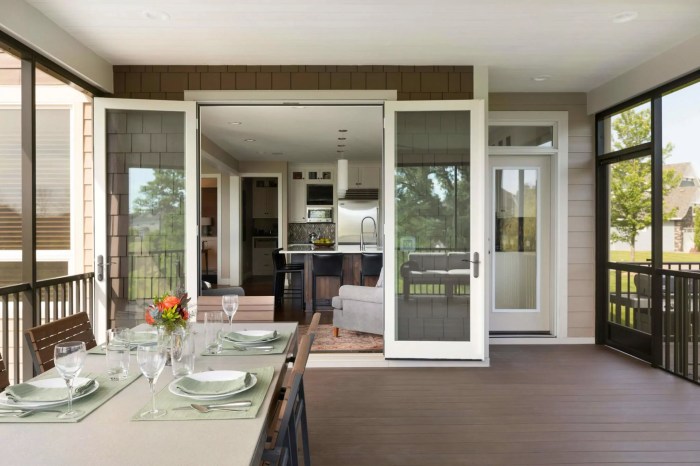
Designing outdoor living spaces that serve specific functions, like dining or relaxation, can enhance their usability and enjoyment. Consider incorporating features such as outdoor kitchens, fire pits, or built-in seating to create inviting areas for socializing and entertaining. Furniture selection and arrangement are crucial in promoting flow between spaces. Large, comfortable seating can encourage gatherings, while movable furniture can adapt to different activities, making the area versatile and functional.
Incorporating Technology
Modern technology solutions can significantly enhance the blending of indoor and outdoor spaces. Smart home systems offer convenience, allowing homeowners to control lighting, temperature, and even music across both environments.Innovative technology uses in outdoor settings are becoming increasingly popular. For example, automated shading solutions can provide relief from direct sun while maintaining a comfortable outdoor atmosphere. Outdoor sound systems can create an immersive experience, allowing music to flow seamlessly from indoors to outside.
Personalizing the Space
Incorporating personal elements in both indoor and outdoor designs adds character and uniqueness to the spaces. Personal style can be showcased through decorative elements like cushions, art pieces, or family heirlooms.Creating focal points that draw attention to both areas is essential in enhancing the overall aesthetic. Consider using statement planters, sculptures, or decorative lighting to anchor the design and provide visual interest throughout the interconnected spaces.