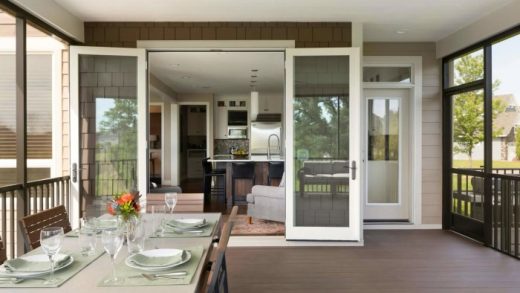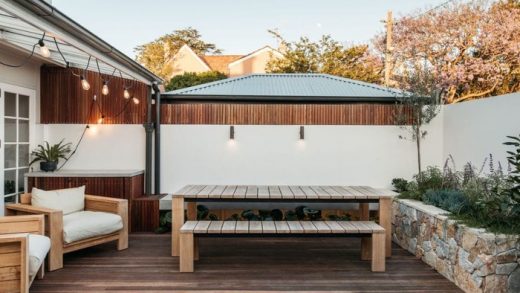

Introduction to Eco-Friendly Design: Designing An Eco-friendly Outdoor Environment
Designing an eco-friendly outdoor environment – Eco-friendly design principles are essential for creating outdoor environments that harmonize with nature while promoting sustainability. These principles emphasize the use of renewable resources, energy efficiency, and minimal environmental impact. Sustainability in landscaping focuses on designing spaces that not only meet our needs today but also preserve the environment for future generations. Globally, successful eco-friendly outdoor projects, such as the High Line in New York City and the Gardens by the Bay in Singapore, showcase how innovative design can create beautiful, functional, and sustainable outdoor spaces.
Materials for Eco-Friendly Outdoor Environments
Choosing sustainable materials is a cornerstone of eco-friendly outdoor design. Materials such as bamboo, recycled wood, and natural stone offer durability and reduce environmental impact. Utilizing biodegradable and non-toxic materials in landscaping promotes a healthier ecosystem. The following locally sourced materials can significantly reduce carbon footprints in outdoor design:
- Bamboo: Fast-growing and renewable, it’s an excellent choice for various structures.
- Recycled wood: Repurposing wood minimizes waste and utilizes existing resources effectively.
- Natural stone: Locally quarried stone not only looks great but also has a lower transportation impact.
Water Management Techniques
Effective water management is crucial for sustainable outdoor environments. Rainwater harvesting systems can collect and store rainwater for irrigation, reducing reliance on municipal water supplies. Implementing permeable surfaces, such as permeable pavers and gravel paths, enhances water drainage and minimizes runoff. Additionally, bioswales and other natural filtration systems play a vital role in managing stormwater by filtering pollutants and recharging groundwater.
Native Plant Selection
Incorporating native plants into landscaping offers numerous benefits, including enhanced biodiversity and lower maintenance requirements. Native species are adapted to local climates and soils, making them more resilient against pests and diseases. Suitable native plants for different climate zones include:
- Eastern Redbud (Cercis canadensis) for temperate regions.
- California Poppy (Eschscholzia californica) for arid areas.
- Butterfly Weed (Asclepias tuberosa) for promoting pollinators.
Native plants also support local wildlife by providing food and habitat for birds, bees, and other essential pollinators.
Energy-Efficient Outdoor Lighting
Designing an outdoor lighting plan that minimizes energy consumption is vital for eco-friendly spaces. Solar-powered lighting solutions, such as garden path lights and decorative lanterns, harness renewable energy while providing illumination. The strategic placement of lighting enhances safety and aesthetics without contributing to light pollution, preserving the natural beauty of outdoor environments.
Outdoor Waste Management Solutions
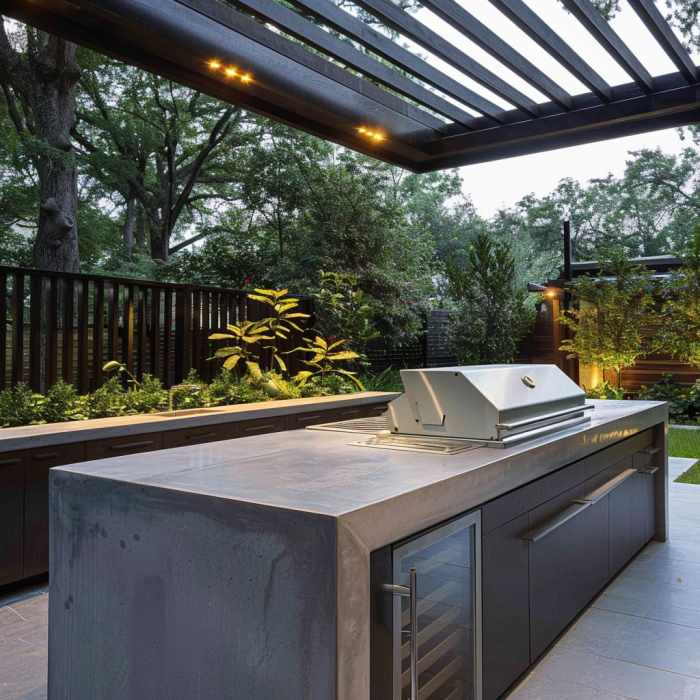
Integrating waste separation and composting into outdoor designs contributes to sustainable practices. Public and private outdoor areas can benefit from recycling initiatives that reduce waste and promote responsible disposal. Innovative waste management solutions, such as compost bins in parks and public gardens, encourage community participation and environmental stewardship.
Creating Wildlife Habitats
Designing outdoor spaces that support wildlife habitats is essential for maintaining biodiversity. Installing birdhouses, bee hotels, and butterfly gardens can significantly enhance local ecosystems. These structures provide essential nesting sites and foraging opportunities for various species. Creating a natural ecosystem involves incorporating elements such as native plants, water features, and shelter to encourage wildlife habitation.
Community Involvement in Eco-Friendly Design, Designing an eco-friendly outdoor environment
Engaging the community in the design of eco-friendly outdoor spaces fosters a sense of ownership and pride. Community-led green projects, such as urban gardens and reforestation efforts, have a positive impact on local environments. Organizing workshops and events to educate the community on sustainable practices not only raises awareness but also encourages active participation in maintaining these spaces.
Maintenance of Eco-Friendly Outdoor Spaces
Maintaining eco-friendly landscapes sustainably requires best practices that promote long-term health. Organic gardening techniques, such as composting and integrated pest management, reduce chemical usage while supporting ecosystem health. A regular maintenance checklist can include tasks like mulching, pruning native plants, and checking irrigation systems to ensure efficiency and sustainability in outdoor environments.